
With an infectious joy and insatiable curiosity, Yongey Mingyur weaves together the principles of Tibetan Buddhism, neuroscience, and quantum physics in a way that will forever change the way we understand the human experience. Using the basic meditation practices he provides, we can discover paths through everyday problems, transforming obstacles into opportunities to recognize the unlimited potential of our own minds.
🪬 All are welcome 🪬
<aside> 🗳️
We’ll vote on the next book together. Feel free to suggest additional titles!
</aside>

The hero of Hanif Kureishi's debut novel is dreamy teenager Karim, desperate to escape suburban South London and experience the forbidden fruits which the 1970s seem to offer. When the unlikely opportunity of a life in the theatre announces itself, Karim starts to win the sort of attention he has been craving—albeit with some rude and raucous results.
The hero of Hanif Kureishi's debut novel is dreamy teenager Karim, desperate to escape suburban South London and experience the forbidden fruits which the 1970s seem to offer. When the unlikely opportunity of a life in the theatre announces itself, Karim starts to win the sort of attention he has been craving—albeit with some rude and raucous results.
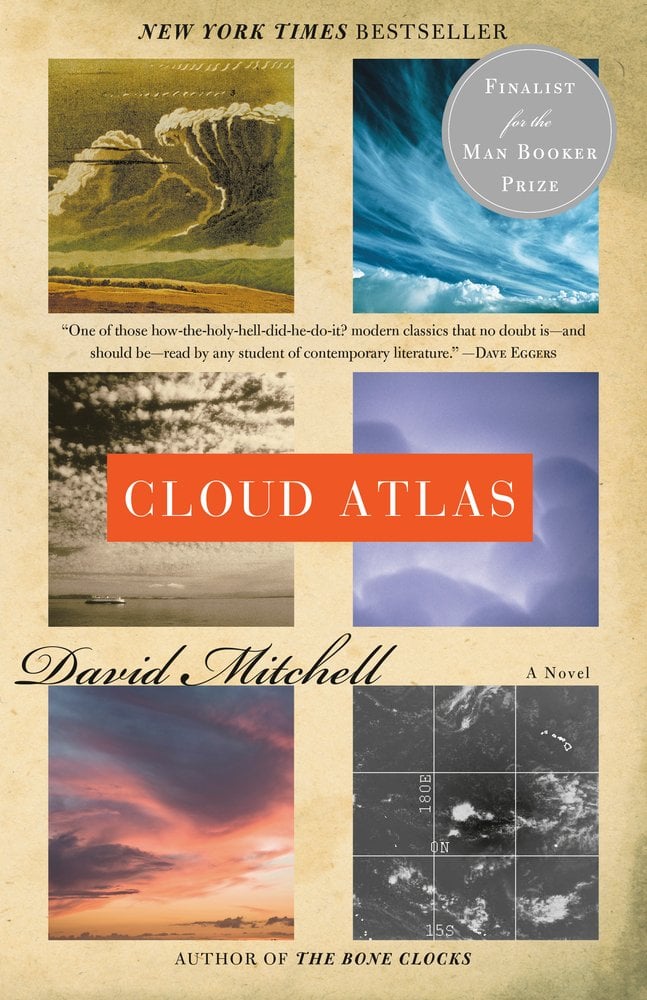
Brilliantly original fiction as profund as it is playful, exploring daring artistry fundamental questions of reality and identity… Along the way, Mitchell reveals how his disparate characters connect, how their fates intertwine, and how their souls drift across time like clouds across the sky.

How can we connect our personal spiritual journeys with the larger course of our shared human experience? How do we compassionately and wisely navigate belonging and exclusion in our own hearts? And how can we embrace diverse identities and experiences within our spiritual communities, building sanghas that make good on the promise of liberation for everyone?

In Tokyo, sixteen-year-old Nao has decided there's only one escape from her aching loneliness and her classmates' bullying, but before she ends it all, Nao plans to document the life of her great-grandmother, a Buddhist nun who's lived more than a century. A diary is Nao's only solace—and will touch lives in a ways she can scarcely imagine. Across the Pacific, we meet Ruth, a novelist living on a remote island who discovers a collection of artifacts washed ashore in a Hello Kitty lunchbox—possibly debris from the devastating 2011 tsunami. As the mystery of its contents unfolds, Ruth is pulled into the past, into Nao's drama and her unknown fate, and forward into her own future.

Although they never met, Socrates and the Buddha each addressed in a radically new and surprisingly similar way the core questions of how to lead a good, just, and dignified life amid turbulence and violence. Common to their teachings was an ethics of uncertainty: both refused to make truth claims about the ultimate nature of reality, insisting on the primacy of critical self-evaluation as the basis of an ethical life.

Viktor Frankl’s riveting account of his time in the Nazi concentration camps, and his insightful exploration of the human will to find meaning in spite of the worst adversity, has offered solace and guidance to generations of readers since it was first published in 1946.

Standing at the Edge is an evocative examination of how we can respond to suffering, live our fullest lives, and remain open to the full spectrum of our human experience.

To belong is to experience joy in any moment: to feel pleasure, dance in public, accept death, forgive what seems unforgivable, and extend kindness to yourself and others. To belong is also to acknowledge injustice, reckon with history, and face our own shadows. Full of practical advice and profound revelations, You Belong makes a winning case for resisting the forces that demand separation and reclaiming the connection—and belonging—that have been ours all along.
